
Refer SolarSense and split £300
If you’re an existing SolarSense domestic customer, you can now introduce a friend, family member or neighbour located within our domestic service area, and share a combined £300 referral reward.
How the SolarSense referral offer works
Recommend SolarSense
Tell a friend, family member or neighbour about your experience with SolarSense and encourage them to get in touch with our team.
You do not need to complete a referral form or provide us with their personal information.
They tell us who recommended us
When the prospective customer contacts SolarSense, they will need to tell us that they were referred and provide the name of the existing SolarSense customer who recommended us.
You both receive £150
If the person you recommended becomes a qualifying SolarSense customer:
- You receive a £150 referral payment
- They receive a £150 credit towards their SolarSense project
SolarSense Referral Offer terms and conditions
The following terms and conditions apply to the SolarSense domestic customer referral offer.
- This offer entitles an existing customer (“the Referrer”) who introduces a new customer (“the Referred Customer”) to a combined reward of £300, split as £150 payable to the Referrer and £150 credited to the Referred Customer, subject to the conditions below.
- The Referred Customer must be a new customer who has not previously purchased services from SolarSense, and must not already be engaged in an active quote, order, or contract with SolarSense at the time of referral.
- To qualify, the Referrer must notify SolarSense of the referral in advance, or the Referred Customer must confirm the Referrer’s name at the point of enquiry or booking, so that the referral can be verified before work commences.
- The £150 discount to the Referred Customer will be applied as a deduction from their final invoice. It cannot be exchanged for cash, applied retrospectively once an invoice has been paid, or combined with any other discount, offer, or promotion unless expressly stated otherwise.
- The £150 payment to the Referrer will be paid in cash only once the Referred Customer’s final invoice has been paid in full. No payment will be made to the Referrer if the Referred Customer’s invoice remains unpaid, is only partially paid, or if the job is cancelled before completion.
- Only one referral reward will be paid per successfully completed and paid referral. There is no limit to the number of times a customer may refer new customers, provided each referral meets these terms independently.
- SolarSense reserves the right to withhold or refuse the reward where it reasonably suspects fraudulent, duplicate, or self-referral activity.
- SolarSense reserves the right to amend, suspend, or withdraw this offer at any time without prior notice. Any referral confirmed in writing before withdrawal of the offer will remain honoured under these terms.
- This offer is not available in conjunction with any other referral, discount, or promotional offer unless otherwise agreed in writing by SolarSense.
- The reward has no cash alternative other than as specifically set out above, is non-transferable, and cannot be redeemed for goods or services other than as stated.
- These terms are governed by the laws of England and Wales.
SOLAR PANEL INSTALLATION
How Can Solar Panels Benefit Your Home?

Cut Your Energy Bills and Save Money
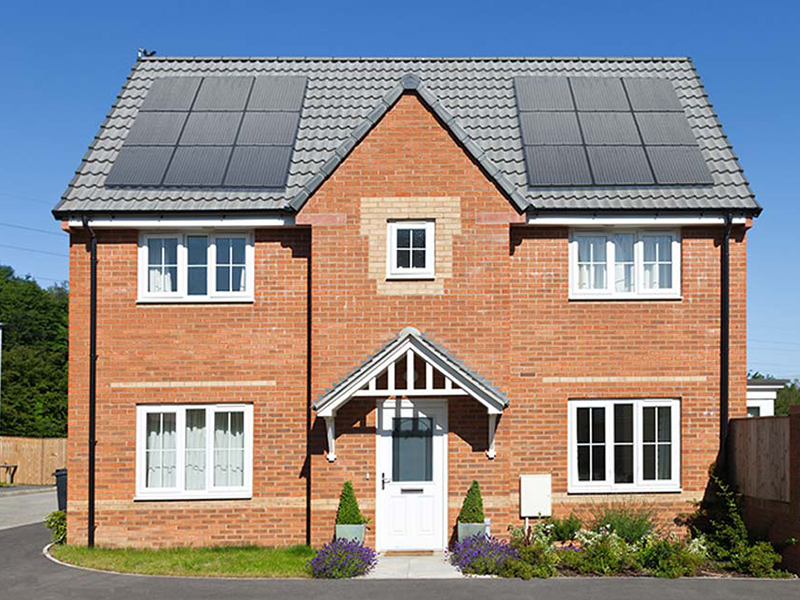
Cut your electricity bills by up to 70%, with even greater savings possible when combined with battery storage.

Protect Against Rising Energy Prices
Reduce your exposure to volatile electricity prices by producing your own clean energy at a predictable, low cost for decades.

Generate Income with Solar Panels
Sell unused solar electricity back to the grid through the Smart Export Guarantee (SEG), helping you save even more on your bills.

Increase Energy Independence
Store your solar energy during the day and use it overnight and during peak pricing periods to power your home and electric vehicle.

Reduce Your Carbon Footprint
A typical residential solar PV system can save around 2,000 kg of CO₂ per year, significantly lowering your home’s environmental impact.
Increase Your Property Value
Solar panels can improve your Energy Performance Certificate (EPC) rating and increase property value, with energy efficient homes in higher demand.

Monitor and Optimise Your Energy Use
Track your solar generation and energy usage via a smart app, helping you maximise performance, increase savings and optimise how energy is used in your home.
Power More of Your Home with Solar
Use your solar electricity to charge your electric vehicle and heat your hot water, reducing reliance on the grid while maximising the value of every unit you generate.
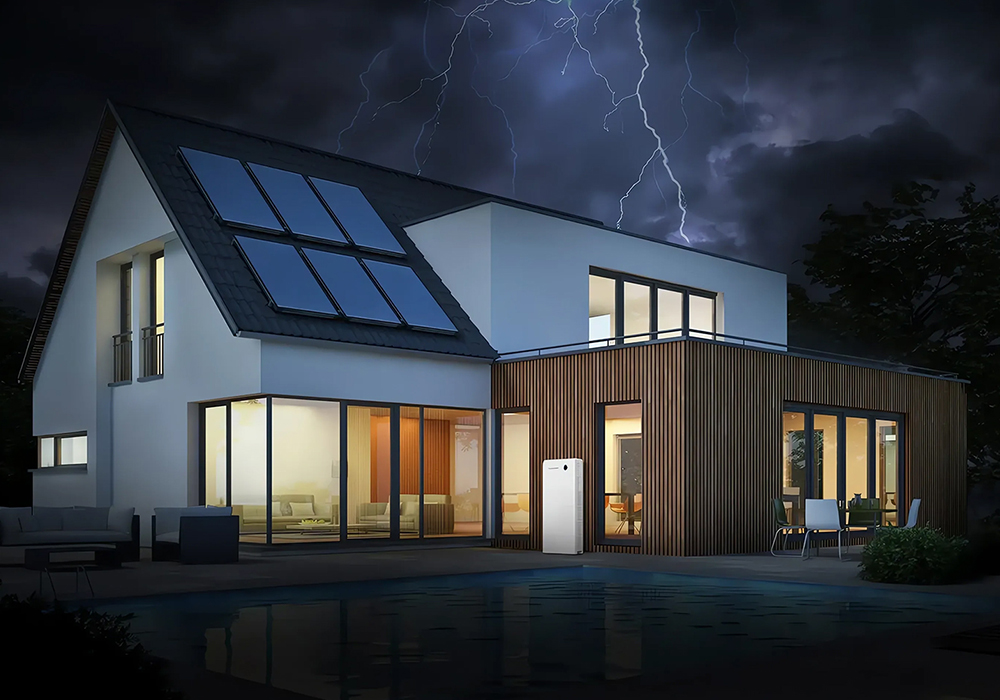
Take Control of Your Energy
Solar PV is the fastest growing renewable energy solution in the UK, with more than 1.5 million homes now generating their own low-cost electricity from the sun.
Book your free energy consultation to see how solar and battery storage can work for you.

BATTERY STORAGE
Store Your Solar Energy For When You Need It Most
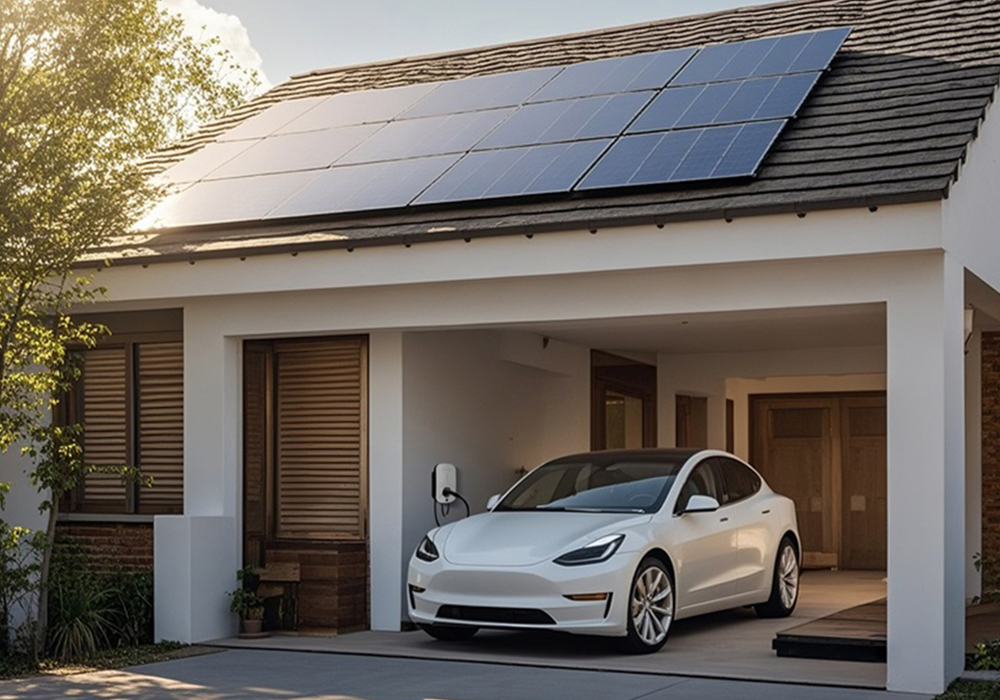
Integrating solar panels with battery storage allows you to capture energy during the day and use it to power your home and electric vehicle in the evening, overnight or during peak pricing periods.
Battery storage also gives you greater control over your energy, helping you monitor and optimise usage, reduce reliance on the grid and take control of your household energy costs.
With solar energy costing up to five times less than electricity from the grid, storing and using more of what you generate is key to maximising your savings.

EV CHARGING
Power Your Electric Vehicle With Renewable Energy
How you charge your electric vehicle or hybrid has a significant impact on both your running costs and carbon emissions. Over the lifetime of your system, this can amount to thousands of pounds in savings.
Charging from the grid
around 7p – 9p per mile
Charging with solar electricity
around 1p – 3p per mile
Power Your Home with Cleaner and Cheaper Energy
Solar panels and battery storage systems allow homeowners to generate and store electricity at a fraction of the cost of grid energy. Typical electricity costs today:
Grid electricity: 25-30p per kWh
Solar electricity: 4-7p per kWh
That means every unit of solar electricity you generate, store and use could cost up to five times less than energy purchased from the grid. Over the lifetime of your renewable energy system, this can represent tens of thousands of pounds in energy savings.
Book your free home energy assessment to discover how much you could save with solar PV, battery storage and EV charging.

Frequently Asked Questions
Thinking about solar and battery storage for your home? Here are answers to some of the most common questions homeowners ask.
What is the first step to installing solar panels?
The first step is to arrange a your free home energy assessment. Our team will review your property, roof suitability, and electricity usage to design a system tailored to your home. You will receive clear guidance on system size, expected performance, and potential savings.
How do solar panels generate energy for my home?
Solar PV systems harness free energy from the power of the sun. When sunlight hits the PV cells, it creates an electrical reaction that generates direct current (DC) electricity. This is then passed through an inverter, which converts it into alternating current (AC) to power your home, store in a battery for later use, or supply energy to charge your electric vehicle.
How much money can you save with solar panels and battery storage?
Savings will vary depending on your property, energy usage and system design, but the principle is simple: with grid electricity typically costing 25-30p per kWh and solar energy as low as 4-7p per kWh, generating your own electricity can significantly reduce your energy bills and provide long-term protection against rising energy prices.
Adding battery storage allows you to maximise the use of your solar energy, while charging an electric vehicle with solar power can further increase savings by reducing reliance on grid electricity and petrol or diesel.
Our expert design team uses industry-leading software to accurately forecast how much energy your home can generate, your expected energy bill savings, system payback and overall return on investment.
Book your free home energy assessment to discover how much you could save with solar panels, battery storage and EV charging.
Can you sell solar energy back to the grid?
Yes. Through the Smart Export Guarantee (SEG), you can receive payments for any surplus electricity your system exports to the grid.
However, export tariffs are typically lower than the cost of purchasing electricity, meaning the greatest value comes from using your solar energy within your home. Battery storage plays a key role in this. By storing excess energy generated during the day, you can use it later when demand is higher, such as in the evening. This increases self-consumption, reduces reliance on the grid and enhances overall system performance.
At SolarSense, we design systems to maximise the use of your on-site generation, helping you achieve the best possible return from your renewable energy system.
What is the Smart Export Guarantee?
The Smart Export Guarantee (SEG) is a UK government-backed scheme that allows homeowners with solar panels to earn money by exporting excess electricity back to the grid.
When your solar PV system generates more energy than your home needs, the surplus can be exported, and your energy supplier will pay you for each unit (kWh) of electricity you send back. This is tracked using a smart meter.
Export tariffs vary between suppliers, but the Smart Export Guarantee (SEG) provides an additional financial benefit alongside the savings you make by using your own solar energy.
At SolarSense, we design systems to maximise your on-site energy use first, helping you achieve the greatest savings by reducing reliance on grid electricity. When paired with battery storage, you can store excess energy for use in the evening or during peak times, and export any remaining surplus to further improve your return on investment.
What is the 0% VAT scheme for solar panels?
The UK Government introduced a 0% VAT rate on certain energy-saving technologies, including solar panels, in April 2022. This incentive is currently set to run until March 2027 and allows homeowners to install qualifying systems without paying VAT.
For most residential installations, solar panels, battery storage and other eligible energy efficiency measures can be supplied and installed at 0% VAT, helping to reduce the overall cost of switching to renewable energy.
The scheme is part of a wider government initiative to encourage the adoption of low-carbon technologies, helping households lower their energy bills while reducing carbon emissions.
The 0% VAT rate applies in England, Scotland and Wales, with different rules in place for Northern Ireland.
What is a home battery system?
A home battery storage system allows you to capture your solar energy during the day and use it to power your home and electric vehicle in the evening, overnight, or during peak prices.
With intelligent battery design and installation you can:
- Maximise the use of your solar energy
- Reduce exposure to rising grid prices
- Store energy to charge your EV
- Power your home during a power cut
- Monitor and control your home’s energy through a smart app
- Make use of off-peak energy tariffs
- Increase your return on investment
Do I need to install a battery with solar panels?
No, a battery is not essential. Your solar panels will still generate electricity and reduce your energy bills on their own.
However, adding battery storage can significantly increase the value of your system. Without a battery, any surplus energy your system generates during the day is typically exported to the grid via the Smart Export Guarantee (SEG), usually at lower rates than the cost of purchasing electricity.
A home battery allows you to store this excess energy and use it later, such as in the evening when your household demand is higher. This increases self-consumption, reduces reliance on the grid and helps maximise your energy savings.
Battery storage also gives you greater control over how and when you use your energy, including the ability to make use of off-peak tariffs, power your home outside of daylight hours and provide backup during power outages.
All SolarSense systems are designed with future flexibility in mind, so you can install solar panels now and add battery storage or EV charging at a later stage as your energy needs evolve.
Can I charge my electric vehicle with solar energy?
Yes. Solar panels can be used to charge your electric vehicle either directly during the day or by using stored energy from a battery.
This allows you to power your vehicle with low-cost, self-generated electricity, reducing reliance on grid energy and significantly lowering the cost of charging.
Typical charging costs:
Charging from the grid: around 7p – 9p per mile
Charging with solar electricity: around 1p – 3p per mile
Over the lifetime of an electric vehicle, this difference can represent thousands of pounds in savings, while also reducing your carbon footprint.
At SolarSense, we design integrated systems that combine solar panels, battery storage and EV charging to maximise your energy savings and return on investment.
Do I need planning permission for solar panels and EV charge points?
In most cases, no you do not need planning permission to install solar panels or EV charge points. Solar panels are typically installed under permitted development rights, and EV chargers usually do not require planning permission. Additional permissions may be required for listed buildings or properties in conservation areas. Our team can offer expert advice if you are unsure of your rights.
Do solar panels and household batteries require maintenance after they are installed?
Domestic solar panels require very little routine maintenance. In most cases, an inspection is recommended every few years to ensure the system is operating safely and efficiently, although rainfall is usually sufficient to keep solar panels clean.
Battery systems are designed for low-maintenance operation, with built-in monitoring to track performance. These typically require periodic checks, often aligned with an annual system service.
For optimal performance and long-term reliability, many homeowners choose a planned maintenance schedule, ensuring any issues are identified early and system performance is maintained over time.
How long do solar panels and batteries last?
Solar panels are built for long-term performance, typically lasting 25-30 years or more, while battery storage systems generally last 10-15 years and can be replaced or upgraded as technology evolves. Both are supported by robust product warranties, with solar panels also benefiting from long-term performance guarantees, ensuring reliability and peace of mind.
Contact Us
Speak to our team about renewable energy and find out how much you could save with solar PV, battery storage and EV Charging.
SolarSense,
Unit 1A,
Tweed Road Industrial Estate,
Bristol,
BS21 6RR
SolarSense,
Sophia House,
33-35 Cathedral Rd,
Cardiff,
CF11 9HB
Powering Rainforest Conservation with Clean Energy
Every SolarSense installation delivers more than clean energy. Through our partnership with Rainforest Concern, your system helps protect some of the world’s most threatened ecosystems.
For every square metre of solar panels installed, we sponsor the protection of ten times that area of rainforest, supporting vital conservation projects that restore natural habitats and protect endangered species around the globe.