
EV Charging For Homes

Home EV Charger Installation

With over 30 years of experience and more than 15,500 installations, SolarSense designs and installs smart EV charging systems for homeowners across the South West of England and Wales.

Book your free home energy assessment to discover how much you could save with solar panels, battery storage and EV charge points.

EV Charging For Homes

Home EV Charger Installation

With over 30 years of experience and more than 15,500 installations, SolarSense designs and installs smart EV charging systems for homeowners across the South West of England and Wales.

Book your free home energy assessment to discover how much you could save with solar panels, battery storage and EV charge points.

Electric vehicle charge point installation for homeowners

EV Charge Points for Homes

Power Your Electric Vehicle With Renewable Energy.

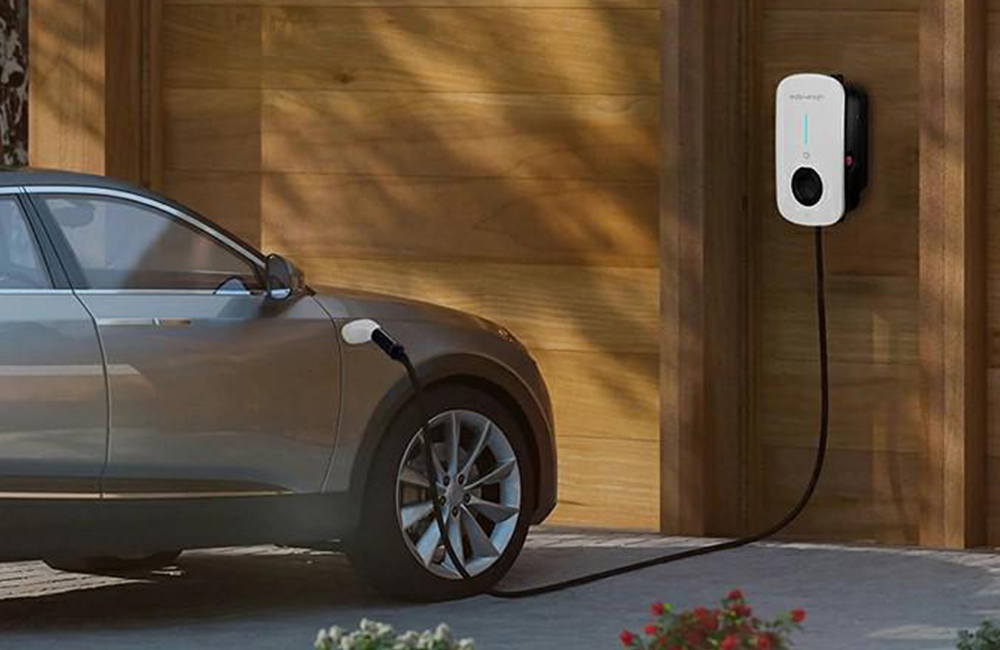
Charge your electric vehicle safely at home while reducing your running costs and carbon footprint. By integrating your EV charger with solar panels and battery storage, you can maximise the value of the energy you generate and take greater control of your household energy.

Take control of how and when you charge, using cleaner, lower-cost electricity that works around your lifestyle. Generate your own power, reduce reliance on public charging and protect yourself from rising energy prices.

EV CHARGE POINT INSTALLATION

Why Install a Home EV Charger?

A home EV charger transforms how you power your electric vehicle – giving you faster charging, lower running costs and the ability to use cleaner, smarter energy every day.

Solar panel benefit icons - cut energy bills

Charge up to 3x Faster at Home

A smart EV charger delivers rapid charging, providing a safe and reliable way to keep your vehicle ready when you need it.

Solar panel benefit icons - export solar energy to the grid via the Smart Export Gaurantee

Reduce Your Running Costs

Take advantage of lower electricity rates, helping to reduce your cost per mile compared to public charging and standard grid usage.
Solar panel benefit icons - charge your electric vehicle with low cost solar energy

Power Your EV with Solar Energy

Use your solar energy to charge your vehicle instead of exporting it to the grid, maximising your savings and return on investment.

Solar panel benefit icons - monitor your energy via a smart app

Take Full Control of Your Energy

Monitor, schedule and optimise your EV charging via a smart app, allowing you to charge at the most cost effective times.

Solar panel benefit icons - reduce your carbon footprint

Reduce Your Carbon Footprint

Power your electric vehicle or hybrid with clean energy while reducing reliance on expensive grid electricity and fossil fuels.
Take Control of Your Energy

How you charge your electric vehicle or hybrid has a significant impact on both your running costs and carbon emissions. 

Charging from the grid
around 7p – 9p per mile

Charging with solar electricity
around 1p – 3p per mile

Over the lifetime of your system, this can amount to thousands of pounds in savings. Book your free energy consultation to see how solar, battery storage and EV charging can work for you.

Choosing the Right EV Charger for Your Home

Choosing the right EV charger depends on how you use your vehicle and how you want to manage your energy in the future. From straightforward home EV chargers to smart, solar-integrated systems, there are a range of options to suit different homes, budgets and charging requirements.

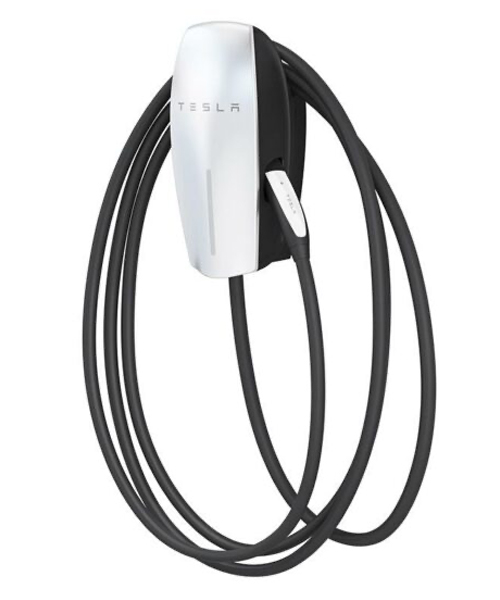
Tesla EV Charger installation for homes

Tesla

Wall Connector

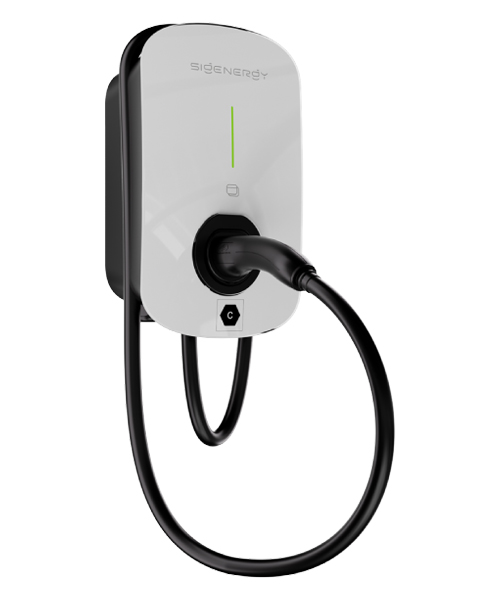
SigEnergy EV Charger installation for homes

SigEnergy

Sigen EV Charger

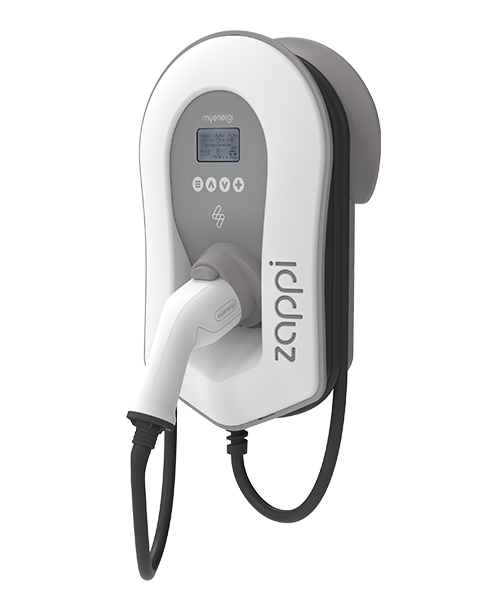
Myenergi Zappi EV Charger installation for homes

Myenergi

Zappi

Power Your Home with Cleaner and Cheaper Energy

Solar panels, battery storage and EV charging systems allow homeowners to generate, store and use electricity at a fraction of the cost of grid energy. Typical electricity costs today:

⚡️ Grid electricity: 25-30p per kWh ☀️ Solar electricity: 4-7p per kWh

That means every unit of solar electricity you generate, store and use could cost up to five times less than energy purchased from the grid. Over the lifetime of your renewable energy system, this can represent tens of thousands of pounds in energy savings.

Book your free home energy assessment to discover how much you could save with solar PV, battery storage and EV charging.

Frequently Asked Questions

Thinking about solar, battery storage or EV charging for your home? Here are answers to some of the most common questions homeowners ask.

The first step is to arrange a your free home energy assessment. Our team will assess your property, electrical setup and charging requirements to recommend the most suitable EV charger for your home.

You’ll receive clear guidance on charger type, installation requirements, charging performance and expected running costs, with options to integrate solar panels and battery storage for greater savings and control.

A home EV charger is a dedicated unit that safely charges your electric vehicle using your home’s electricity supply. It delivers faster, more efficient charging than a standard plug and can be controlled via a smart app to optimise when and how your vehicle charges.

A tethered charger has a fixed cable attached, making it quick and convenient to use. An untethered charger has a socket, allowing you to use your own cable and offering more flexibility.

Charging at home typically costs around 7p per mile using standard grid electricity, and can be even lower when using off-peak tariffs. If you charge using solar energy, this can reduce to as little as 1p – 3p per mile, significantly lowering your running costs over time.

Yes. Charging your electric vehicle or hybrid at home is usually far cheaper than using public rapid chargers, where costs can be significantly higher. Home charging allows you to take advantage of lower electricity rates and use solar energy and battery storage to further reduce costs.

While your electricity usage will increase, charging at home is still significantly cheaper than using petrol or diesel. When combined with solar panels and battery storage, you can offset much of this cost.

Yes. Solar panels can be used to charge your electric vehicle either directly during the day or by using stored energy from a battery.

This allows you to power your vehicle with low-cost, self-generated electricity, reducing reliance on grid energy and significantly lowering the cost of charging.

Typical charging costs:

  • Charging from the grid: around 7p – 9p per mile

  • Charging with solar electricity: around 1p – 3p per mile

Over the lifetime of an electric vehicle, this difference can represent thousands of pounds in savings, while also reducing your carbon footprint.

At SolarSense, we design integrated systems that combine solar panels, battery storage and EV charging to maximise your energy savings and return on investment. 

Yes. Smart EV chargers allow you to schedule charging during off-peak periods when electricity is cheaper, helping to reduce your running costs.

No, you can charge your EV directly from solar panels during the day. However, adding battery storage significantly increases the benefits.

A battery allows you to store excess solar energy generated during the day and use it later, enabling you to charge your vehicle in the evening or overnight. This increases your self-consumption, reduces reliance on grid electricity and helps maximise your long-term savings.

The best option is a smart, solar-compatible EV charger that can prioritise charging from your solar panels, ensuring you use as much of your own energy as possible before drawing from the grid.

At SolarSense, we take a technology-agnostic approach. Rather than promoting a single product, we assess your home, energy usage and future plans to recommend the most suitable solution. As part of your free home energy consultation, we will guide you through the available options, helping you choose a system that delivers the best performance, flexibility and long-term value for your home and energy use.

In most cases, no you do not need planning permission to install solar panels or EV charge points. Solar panels are typically installed under permitted development rights, and EV chargers usually do not require planning permission. Additional permissions may be required for listed buildings or properties in conservation areas. Our team can offer expert advice if you are unsure of your rights.

Government support is available in certain situations, such as for flats, rental properties and landlords through OZEV-backed schemes. Eligibility and funding levels vary, and we will advise you on the latest options.

Most domestic EV charge point installations are completed within a day. More complex installations, such as those integrating with solar and battery systems, may take slightly longer.

Contact Us

Speak to our team about renewable energy and find out how much you could save with solar PV, battery storage and EV Charging.

BRISTOL
SolarSense,
Unit 1A,
Tweed Road Industrial Estate,
Bristol,
BS21 6RR
CARDIFF
SolarSense,
Sophia House,
33-35 Cathedral Rd,
Cardiff,
CF11 9HB

Turn Your Unused Roof Space & Car Park into a Revenue-Generating Asset